Moving with the User: How the LiberNovo Dynamic Ergonomic Chair Is Redefining the Sitting Experience
Moving with the User: How the LiberNovo Dynamic Ergonomic Chair Is Redefining the Sitting Experience
Co-produced by BDA × Design Magazine
By combining continuous support with spinal stretching, the chair creates a closed-loop experience of “real-time support and active relaxation.” It serves not only as a constant companion that dynamically supports the body, but also as a wellness partner that actively relieves spinal pressure.
The LiberNovo Dynamic Ergonomic Chair represents a fundamental evolution from “the user adapting to the chair” to “the chair actively adapting to the user.” Driven by three core technological breakthroughs—dynamic support, personalized backrest adaptation, and deep spinal stretching—it truly brings the concept of “the chair moving with the user” to life, transforming the sitting experience.
Introduction
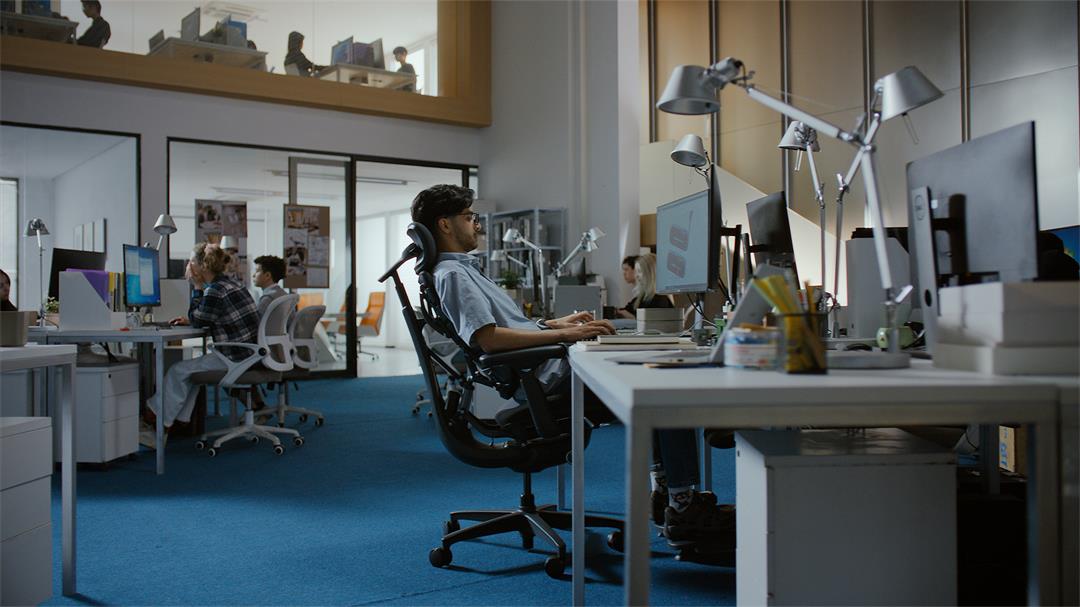
As prolonged sitting becomes the norm in today's workplace, traditional ergonomic chairs face an increasingly apparent paradox: static support systems developed in the era of paper-based office work can no longer accommodate the subtle, continuous movements of the modern body in front of a screen. When Herman Miller introduced what is widely recognized as the world's first ergonomic office chair in 1976, its forward-tilt function was designed for traditional desk-based writing. Today, however, people spend their working hours facing screens and operating keyboards and mice, fundamentally changing the way they sit. Their lower backs lose contact with the backrest, their heads and necks lean forward, and their sitting postures change frequently. The fixed-support approach of traditional chairs has become inadequate, creating a disconnect between users and their chairs.
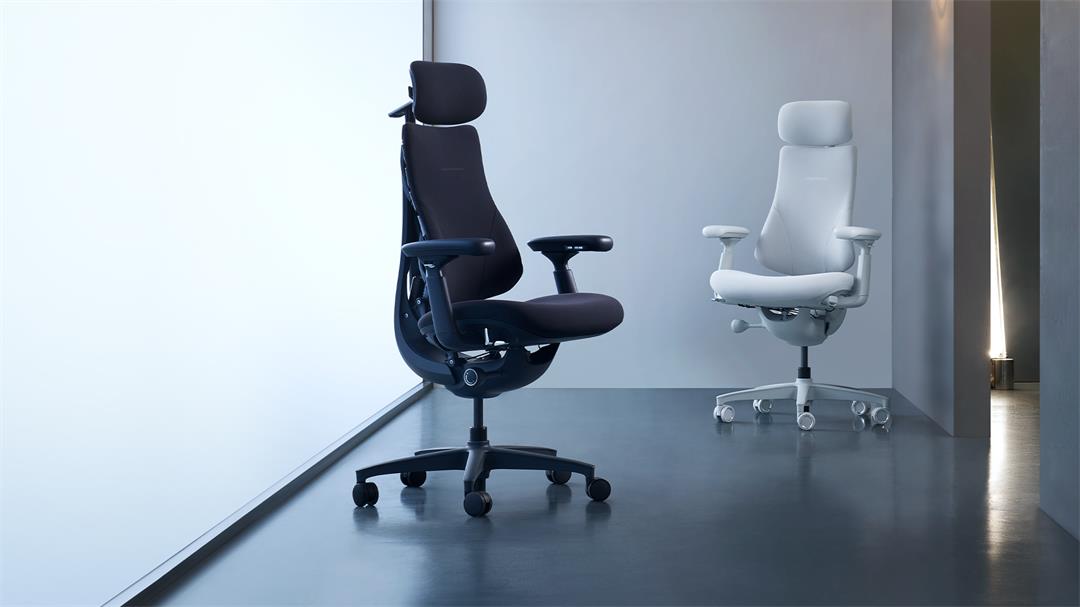
The LiberNovo Dynamic Ergonomic Chair, winner of the Product Grand Award at the 2025 Better Design Award (BDA), offers a systematic response to this contemporary challenge. As a new category of seating centered on dynamic support, LiberNovo integrates a series of innovations, including its Holographic Follow-up System, personalized backrest adaptation technology, and spinal stretching function. These innovations address two longstanding limitations of traditional ergonomic chairs: ineffective static support and disconnected user-chair interaction. By enabling the chair to move in response to the user's body, LiberNovo delivers a new level of sitting comfort and points toward a new generation of ergonomic seating—the Human Factors Ergonomic Chair 2.0.
The product has secured a portfolio of more than 60 patents and received the authoritative GREENGUARD certification for indoor environmental quality. Rather than simply assembling individual technologies, LiberNovo brings technology, craftsmanship, and materials together in a coordinated system built around dynamic support. Its four-bar linkage-based Holographic Follow-up System tracks changes in sitting posture; its personalized backrest adaptation technology actively conforms to individual body shapes; and its zoned, cloud-like cushioning distributes pressure with precision. Meanwhile, the spinal stretching function provides a gradual five-minute stretch targeting the L4–L5 segment of the lumbar spine, helping relieve pressure accumulated during prolonged sitting. Through this integrated experience of “real-time support and active relaxation,” the chair redefines the interaction between the user, the chair, and the surrounding environment, offering people who must sit for extended periods a healthier and more comfortable seating solution.
Reflections and Original Vision: An Answer Born from the Challenges of Our Time
When the team learned that the LiberNovo Dynamic Ergonomic Chair had won the Product Grand Award at the 2025 Better Design Award, their first reactions were a sense of honor and renewed conviction. “Receiving the highest honor at the 2025 Better Design Award with our very first product is an enormous recognition for us. It has also strengthened our belief that we are on the right path.” For the team, this honor represents more than professional recognition. It also signals that the industry's understanding and acceptance of dynamic human factors ergonomics is gaining momentum.
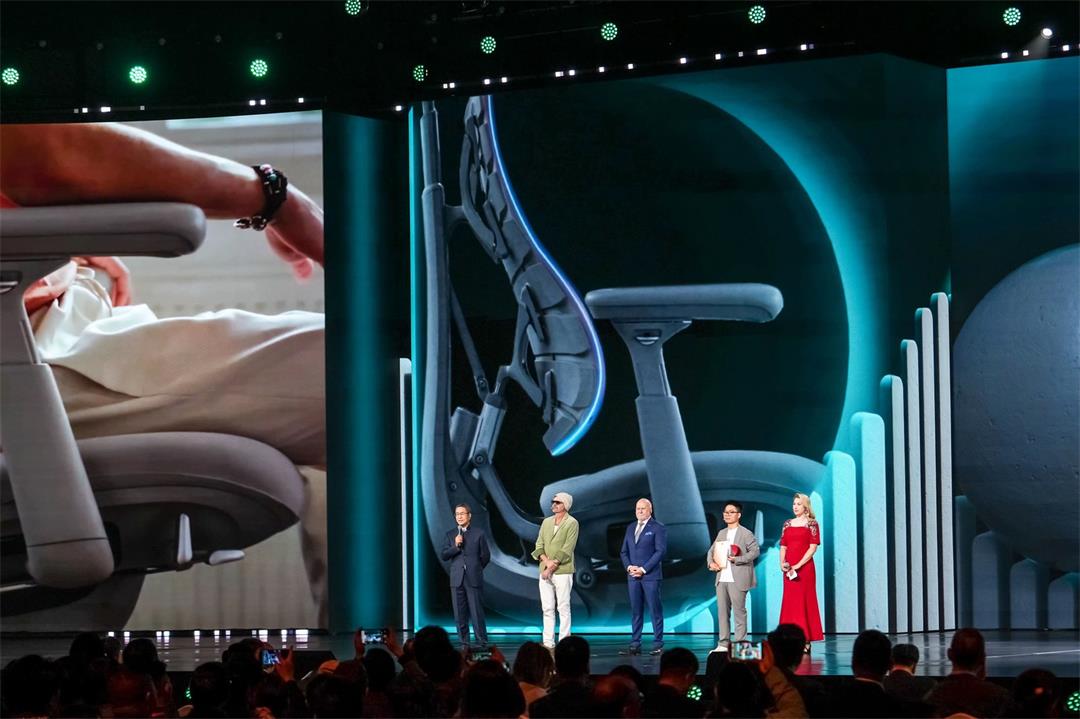
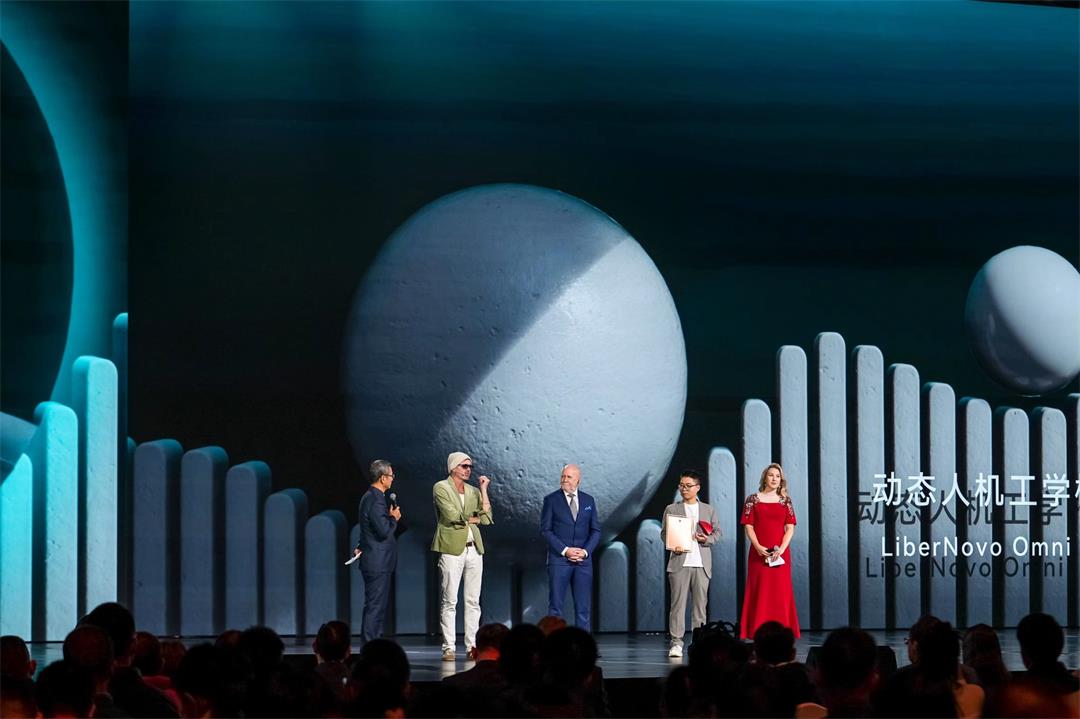
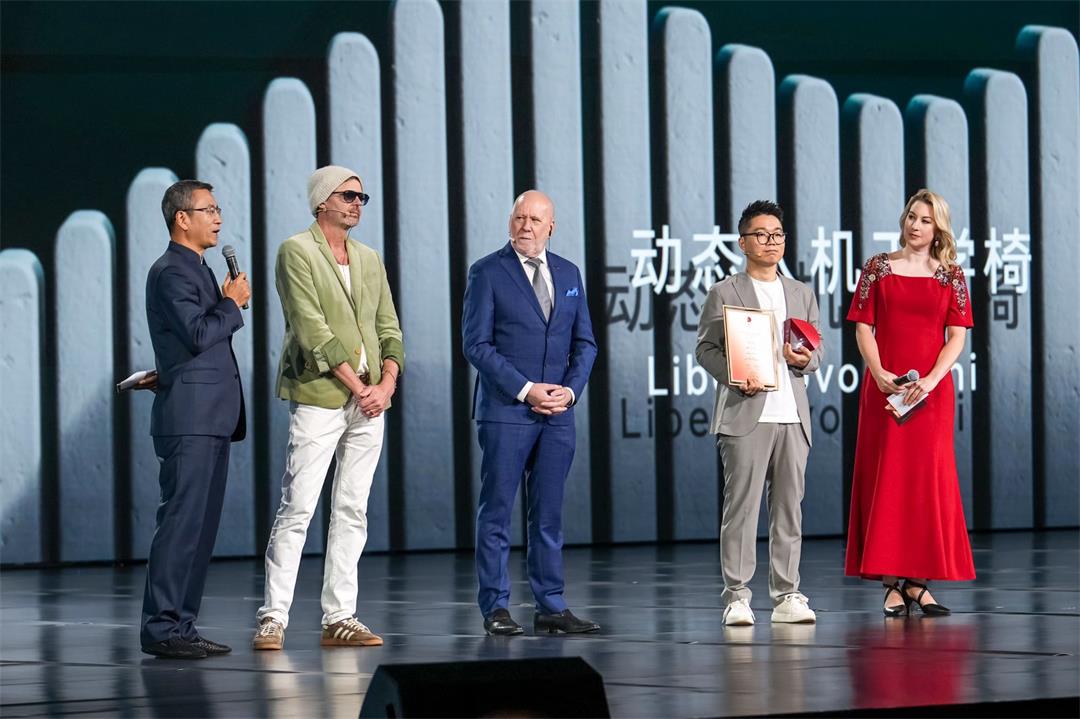
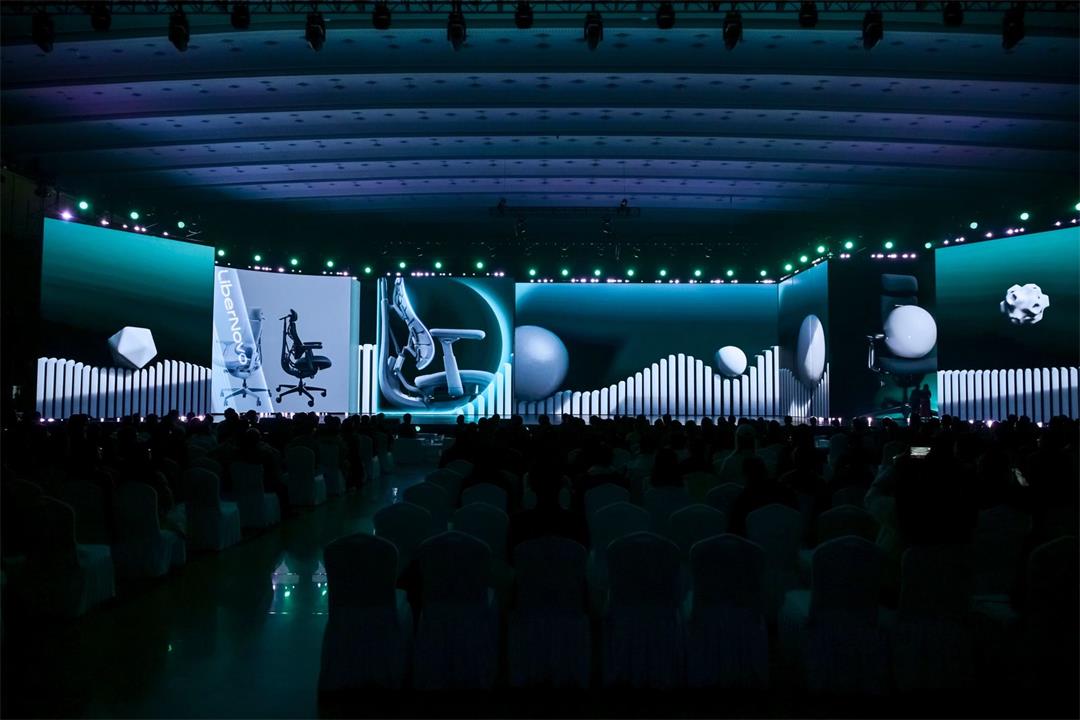
With “Better Design, Better Life” as its guiding principle, the Better Design Award recognizes the LiberNovo Dynamic Ergonomic Chair for embodying a fundamental shift from making people adapt to chairs to making chairs actively adapt to people. Through three major technological breakthroughs—dynamic support, personalized backrest adaptation, and deep spinal stretching—the product delivers a genuinely transformative sitting experience in which the chair moves with the user. Its Holographic Follow-up System tracks the user's movements seamlessly across different sitting postures. The biomimetic exoskeleton-inspired backrest adapts precisely to different body shapes, while the spinal stretching function addresses the health challenges associated with prolonged sitting. Together, these innovations overcome the limitations of conventional ergonomic chairs, including ineffective static support and one-size-fits-all adaptation, while enhancing the overall user experience, physical well-being, and practical value. The jury unanimously recognized the team's dynamic human factors ergonomics system, praising its human-centered approach and its ability to overcome longstanding technical limitations in conventional office seating. By opening up a new field of dynamic support, the system demonstrates significant user value and broader industrial relevance. The jury also noted the strong alignment between the product's design philosophy and the award's core values. Combining an innovative user experience, practical health benefits, and international competitiveness, the chair stands out as a benchmark achievement in office furniture, with both technological ambition and social value.
Looking back at the original design concept, the LiberNovo team's approach was not based on abstract speculation. Instead, it emerged from a close observation of changing workplace habits and their own firsthand experiences. They identified a pivotal moment in the evolution of office work: when Herman Miller introduced its pioneering ergonomic chair in 1976, the forward-tilt function was designed to accommodate the forward-leaning posture associated with paper-based desk work. It was an effective solution for the needs of its time. However, with the widespread adoption of paperless offices over the past decade, today's professionals spend much more time facing screens and operating keyboards and mice. Their working posture has fundamentally changed, shifting from leaning over documents to working in front of screens, often while remaining seated for extended periods. Yet the underlying static-support logic of traditional ergonomic chairs has remained largely unchanged. As a result, ineffective static support has become a widespread problem, while the interaction between users and their chairs has become increasingly disconnected.
As office workers who themselves spend long hours at their desks, the team had experienced these shortcomings firsthand. Traditional chairs could not adequately accommodate the postures associated with digital work: the lower back would lose support, the head and neck would lean forward, and the chair would remain motionless even as the user changed position. Over time, lower-back strain and neck and shoulder discomfort became familiar occupational problems. These personal experiences motivated the team to address a fundamental industry challenge. By moving beyond the conventional mindset of fixed-position support and focusing on the postures associated with contemporary office work, they set out to create a chair genuinely suited to today's prolonged-sitting environments.
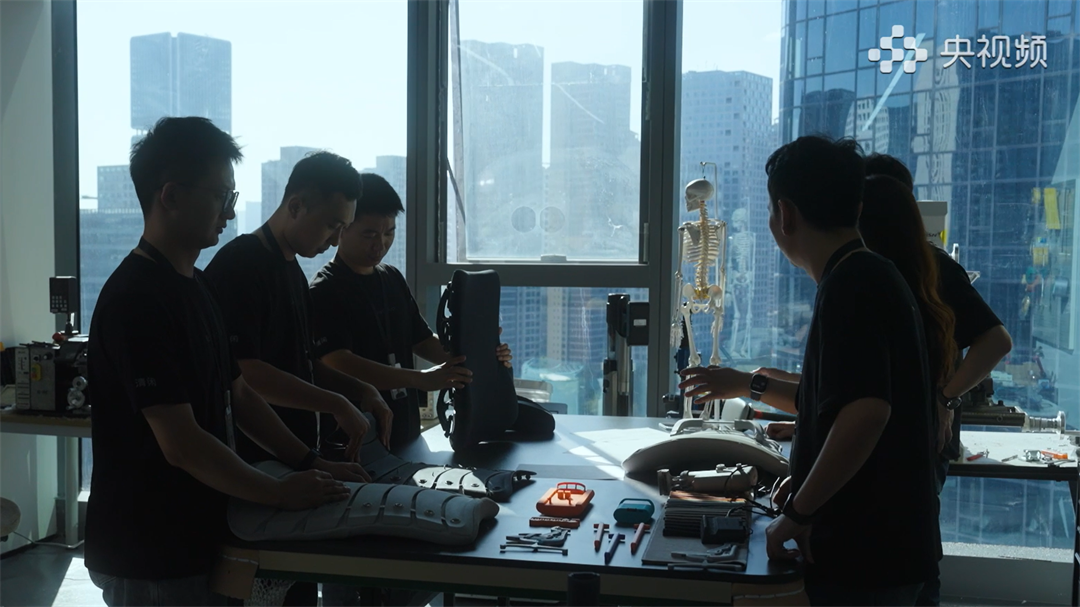
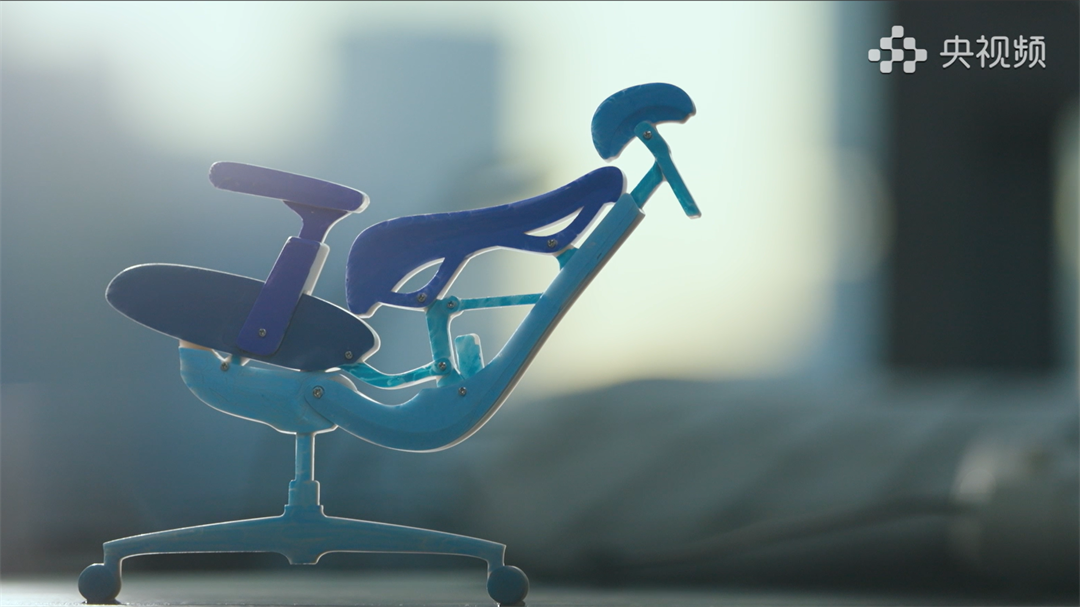
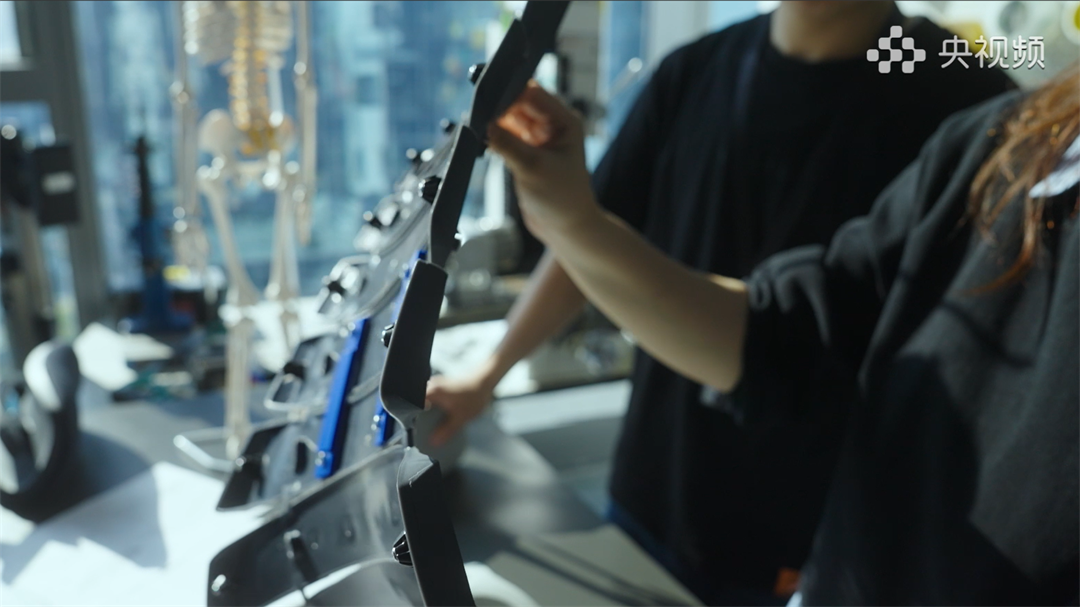
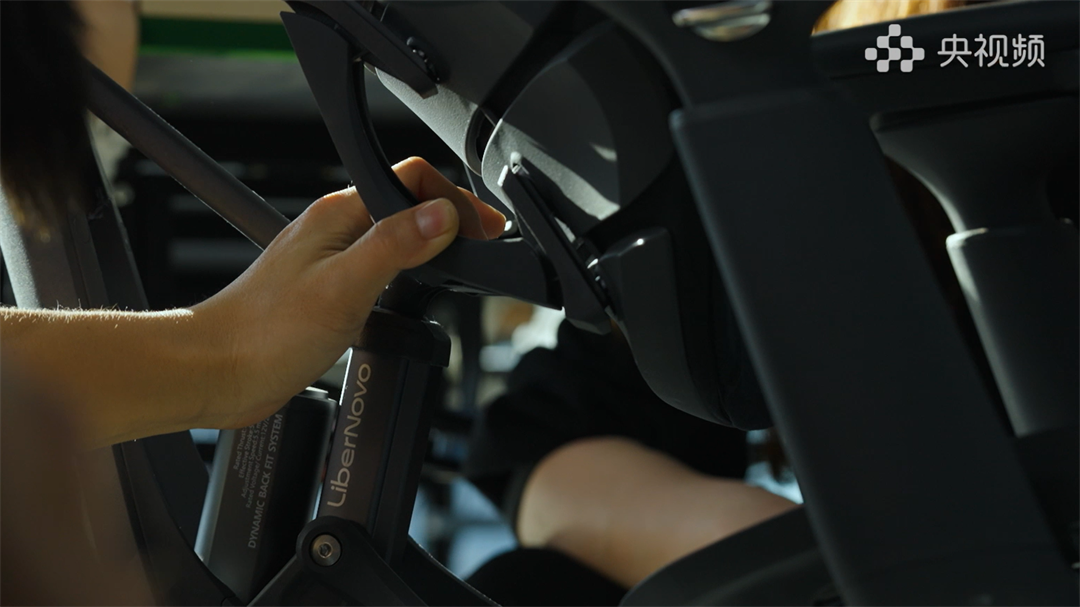
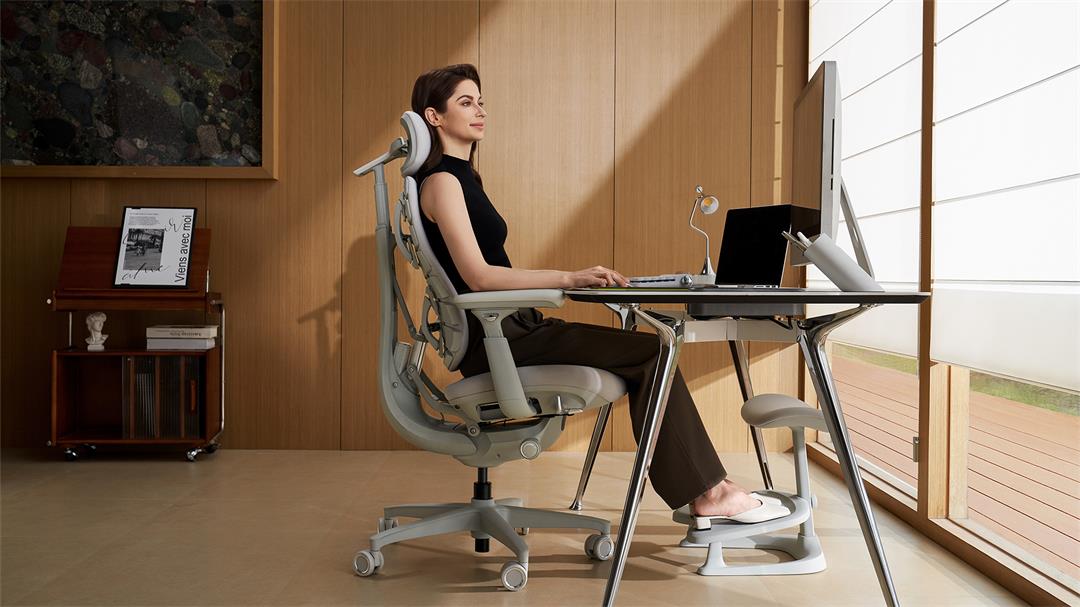
From the outset, the team established a clear positioning and a set of design objectives. They envisioned a dynamic ergonomic chair that could actively adapt to the user. First, it needed to address the physical discomfort associated with prolonged office work, including lower-back strain and neck and shoulder pain, by providing genuinely comfortable support for people who have little choice but to sit for extended periods. Second, the team aimed to achieve a feeling of “unobtrusive support,” ensuring that the chair would never become a distraction from work. Instead, its precise and responsive fit would help users relieve physical strain and maintain comfort, concentration, and productivity throughout the working day. Although these objectives may sound straightforward, achieving them required an exceptionally high level of technical integration and a deep understanding of human factors.
The LiberNovo team has maintained a long-term commitment to research and development in human factors ergonomics, and this accumulated expertise is reflected throughout the product. Its founding team brings together specialists in cutting-edge technology development and human ergonomics. Over the years, they have explored interdisciplinary technologies and the fundamental principles of human-chair interaction, moving beyond conventional approaches in the seating industry and continuously refining their design philosophy through the integration of technology and human factors. Over nearly two years of development and refinement, the team has remained focused on genuine user needs. By combining ergonomics, sensing technologies, and dynamic adjustment algorithms, they brought several innovations to life, including the Holographic Follow-up System, personalized backrest adaptation, and spinal stretching technology. Their goal was to address the longstanding limitations of conventional ergonomic chairs—particularly ineffective static support and disconnected user experiences—and translate years of research into comfort that users can actually feel. The greatest breakthrough of this product lies in its attempt to move beyond traditional static ergonomics toward dynamic human factors ergonomics. The chair automatically responds to changes in sitting posture and provides personalized dynamic support, fundamentally redefining the interaction between the user, the chair, and the surrounding environment. This represents not only an innovation in product functionality and user experience, but also a significant step in the team's exploration of dynamic human factors ergonomics. Through this work, the team hopes to offer new perspectives for the industry's development and encourage ergonomic seating to evolve in ways that better reflect modern working habits and human needs.
Core Technological Innovation: A Systematic Breakthrough from Concept to Implementation
One of the LiberNovo chair's most significant innovations is its personalized backrest adaptation system, designed to provide a different fit for every user. Through an electrically assisted actuator and a flexible, exoskeleton-inspired backrest, the system creates an S-shaped contour that conforms to individual spinal profiles and helps distribute pressure across the lower and upper back. It transforms support from passive accommodation into active adaptation. Where did the inspiration for this system come from? The team explains that it was rooted in their long-term observation of the subtle differences between individual body shapes. Everyone has a unique lower-back contour and spinal structure. Some people have a more pronounced lumbar curve, while others have a relatively straight profile. Some have broad shoulders and a wider back, while others have a slimmer build. Nevertheless, most conventional ergonomic chairs rely on a one-size-fits-all approach, with a fixed backrest contour that requires users to adapt to the chair rather than the other way around. Such designs struggle to accommodate individual anatomical differences. To address this shared industry challenge, the team set out to develop a support system capable of actively adapting to different body contours. This fundamental shift in design thinking ultimately led to the development of LiberNovo's personalized backrest adaptation technology.
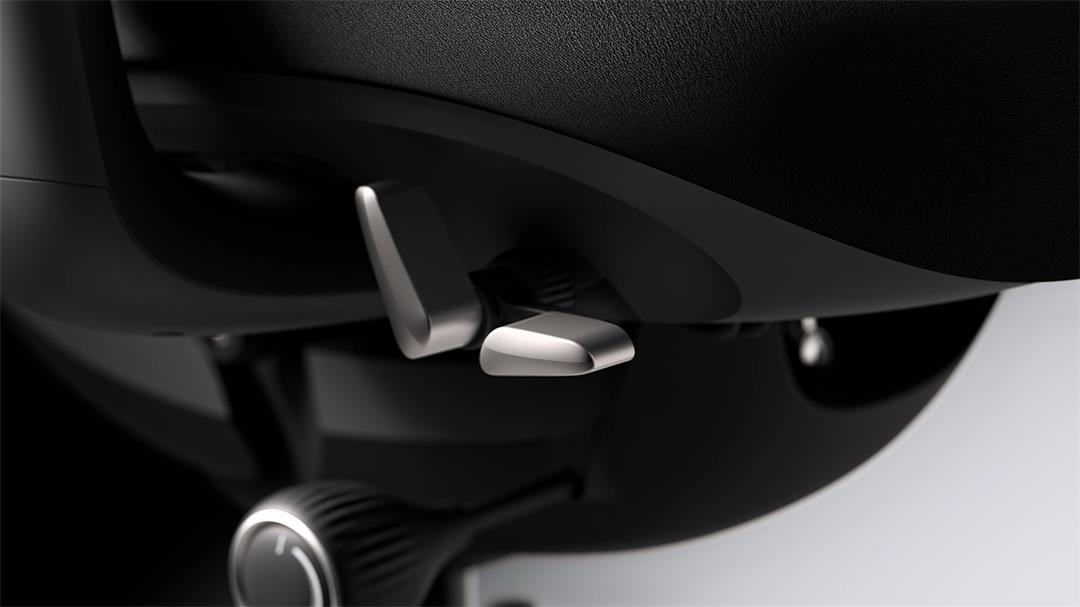
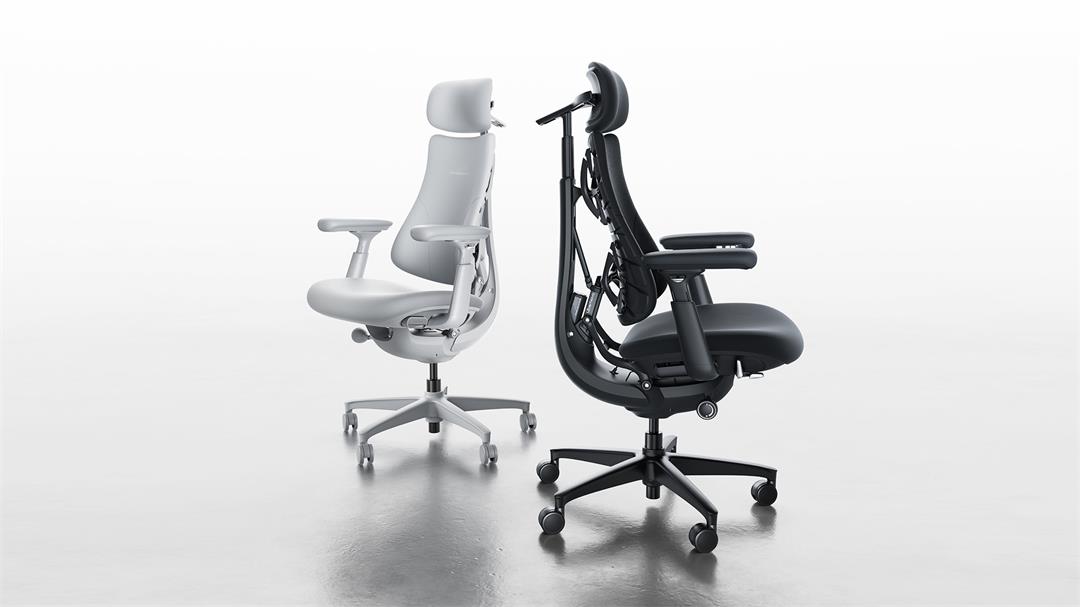
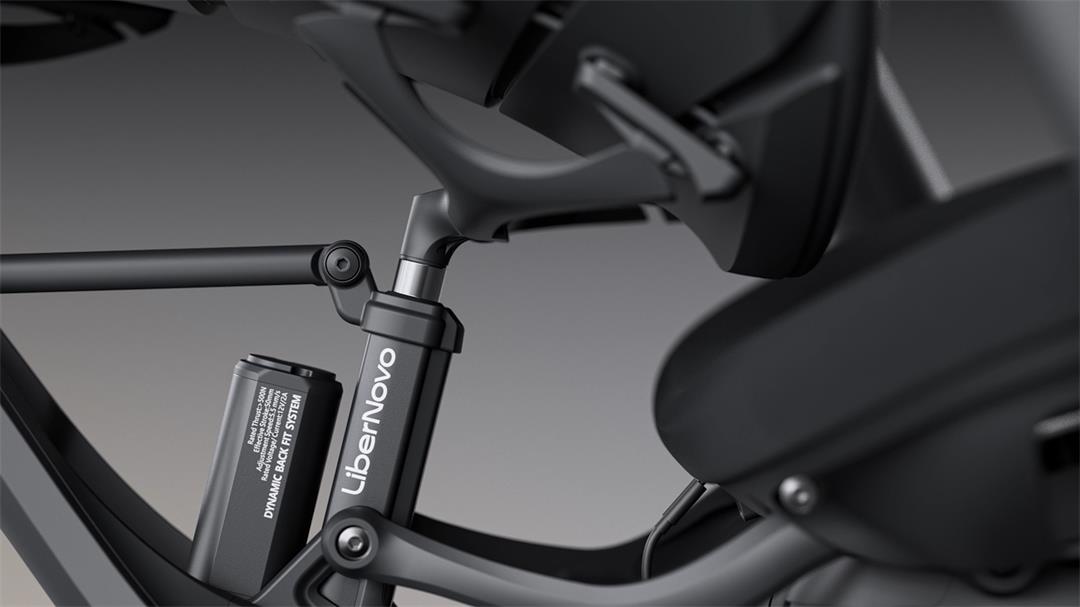
During development, one of the team's greatest challenges was balancing flexibility with effective support. If the backrest were designed to be overly flexible, it could become too soft to provide adequate support. If it prioritized rigidity, it would behave like a hard board, unable to conform to different spinal contours. The team found a solution through structural innovation. An integrated flexible structure combines two H-shaped support arms with eight independently flexible panels, creating a supportive wraparound fit for the lower and upper back while accommodating different spinal profiles. In addition, an electrically assisted actuator drives the biomimetic, exoskeleton-inspired backrest, precisely shaping it into various anatomically appropriate S-shaped contours. This enables the chair to provide stable and effective support without compromising flexibility. Through this system, the chair evolves from passively accommodating the user to actively adapting to the user's body—realizing the fundamental principle that a chair should fit the person, not the other way around.
Another major innovation is the Holographic Follow-up System, which uses a linkage mechanism to coordinate the movement of the headrest, backrest, seat cushion, and armrests. By enabling these four components to respond together, the system provides dynamic support across different sitting postures and helps relieve pressure on the spine. The technology addresses a particularly challenging problem. During prolonged sitting, the human body makes approximately 127 subtle postural adjustments. These movements are small and unpredictable: a slight backward lean, a shift to the left, or a forward movement to look at a screen. Ensuring that the headrest, backrest, seat cushion, and armrests respond synchronously to every movement—without mechanical hesitation, gaps in support, or uneven pressure distribution—requires exceptional precision and coordination within the linkage structure. The system must also accommodate the practical demands of office work. The headrest needs to follow the user's line of sight, while the armrests need to maintain horizontal alignment. Throughout these dynamic adjustments, critical body areas must remain properly supported. In other words, a single linkage system must simultaneously resolve three interconnected challenges: coordinated movement between key components, precise tracking of body movements, and even pressure distribution. These are precisely the challenges that have prevented traditional ergonomic chairs from moving beyond static support.
To overcome these challenges, the LiberNovo team developed four sets of precision linkage mechanisms that coordinate the movement of 60 joints throughout the chair. This allows the chair to remain closely aligned with the user's body, regardless of how they move, delivering the intended Holographic Follow-up experience in which the chair moves with the user. The team optimized the transmission ratios of the linkage mechanisms to distribute body pressure evenly as sitting postures change, maintaining stable support for the waist, back, neck, and arms throughout the process. This addresses one of the fundamental shortcomings of conventional ergonomic chairs: the loss of effective support when the user moves. The design also draws on human biomechanics data and incorporates pressure-sensing technology into the surfaces that come into contact with the body. By monitoring the pressure relationship between the user and the chair, the system helps reduce localized pressure and improve overall comfort. For example, when a user leans backward, the backrest linkage rotates accordingly, while the seat cushion moves slightly forward and the armrests rise in coordination, ensuring that the arms remain supported. This type of coordinated movement between multiple components is not achievable with conventional static-support ergonomic chairs.
Spinal stretching is the third major technological innovation of the LiberNovo chair. The function provides a gradual five-minute stretching session focused primarily on the L4–L5 segment of the lumbar spine, helping relieve spinal pressure accumulated during prolonged sitting. When people sit for extended periods, the pressure on their lumbar intervertebral discs can increase significantly. The L4–L5 segment is particularly vulnerable to common lower-back problems. LiberNovo's stretching function combines an electrically assisted actuator with its flexible backrest to gradually guide the lumbar spine from a compressed position toward its natural curvature over five minutes. The range of movement is carefully controlled to maintain a comfortable and safe stretching experience. Working together with the real-time protection provided by the Holographic Follow-up System, this function creates a closed-loop experience of “real-time support and active relaxation.” During work, the chair continuously follows the user's movements and helps distribute spinal pressure. During breaks, users can activate the stretching mode with a single touch, allowing the spine to relax after sustained tension. The team paid particular attention to the gradual nature of the stretching process, avoiding sudden pulling forces that could cause discomfort. Users can activate the function between work sessions, during lunch breaks, or before leaving the office. Each session lasts five minutes and is designed to provide a noticeable sense of spinal relaxation.
In terms of intellectual property, LiberNovo has developed a portfolio of more than 60 patents, primarily covering its core technologies, including the Holographic Follow-up System, personalized backrest adaptation system, and spinal stretching function. Throughout the patent development process, the team has remained grounded in the needs of real office environments. Their innovations directly address practical challenges faced by people who sit for long periods, such as frequent subtle postural adjustments and the failure of static support systems. Each innovation is refined through rigorous testing and validation under real-world conditions. From the early stages of development, the team considers structural feasibility, suitability for mass production, and user experience together. This ensures that every patented technology can be translated into a practical solution, maintaining a high level of technical innovation while meeting actual user needs and avoiding a disconnect between technological concepts and their applications. For example, the electrically assisted actuator in the personalized backrest adaptation system has been tested with users of different heights and body weights to ensure stable performance under varying loads.
In its material selection, LiberNovo adopts a zoned cushioning strategy, using different types of foam to create a cloud-like sense of comfort across different parts of the chair. The headrest, seat cushion, and backrest each feature materials selected according to their specific support requirements. The headrest uses hydrophilic memory foam, whose slow-rebound properties gently support the cervical spine. Its moisture-friendly surface also helps reduce stuffiness in warmer weather. The lumbar and back areas use high-density resilient foam, which combines a firm structure with excellent rebound properties to provide stable lumbar support without easily losing its shape, even after prolonged use. The seat cushion uses foam with varying degrees of firmness: the front section is softer, reducing pressure on the back of the thighs, while the firmer rear section provides stable support for the sitting bones. This creates a naturally balanced, low-center-of-gravity seating experience. The underlying design principle is to match each material precisely to the pressure characteristics and support requirements of the neck, waist, back, and seat. By combining different levels of softness and firmness in carefully defined zones, the chair achieves more scientific pressure distribution. The result is a chair that gently envelops the body while maintaining strong, reliable support, allowing users to remain comfortable and relaxed even during extended periods of sitting.
Collaborative Design: The Seamless Integration of Technology, Craftsmanship and Materials
The LiberNovo team repeatedly emphasizes one central design philosophy: the product is not simply an accumulation of individual technologies. Instead, technology, craftsmanship, and materials work together as an integrated system centered on dynamic support. Its four-bar linkage-based Holographic Follow-up System tracks changes in sitting posture; personalized backrest adaptation ensures an active, customized fit; precision engineering guarantees accurate coordinated movement; and zoned cushioning provides gentle, balanced pressure distribution. These four dimensions are interconnected, all serving the central principle of “the chair moving with the user and providing continuous support.” This integrated approach places dynamic support at the heart of the design, ensuring that all technological elements function as a coordinated whole rather than as a collection of separate features.
How does this integrated design work in practice? Take the Holographic Follow-up System as an example. Its performance depends not only on the mechanical movement of the linkage system, but also on its coordination with the cushioning materials. When a user leans backward, the linkage mechanism drives the backrest to rotate, while the high-density resilient foam in the zoned cushioning maintains stable lumbar support. Similarly, the personalized backrest adaptation system is more than a mechanical adjustment driven by an electrically assisted actuator. It works in conjunction with the eight independent panels of the flexible backrest, each of which can deform individually to accommodate the spinal contours of different users. This integration of multiple technologies transforms the LiberNovo chair from a collection of mechanical functions into a responsive, biomimetic companion that provides real-time support.
This integrated design overcomes the limitations of traditional static ergonomic chairs and delivers three fundamental shifts in value: from passive accommodation to active adaptation, from static support to continuous dynamic support, and from an ordinary seating product to a dynamic human factors ergonomic companion that conforms to the body and supports well-being during prolonged sitting. These advantages become particularly evident in everyday use. During work, the chair continuously responds to subtle changes in the user's posture. Its four-bar linkage mechanism and flexible backrest work together to follow the natural contours of the spine, while the zoned, cloud-like cushioning distributes pressure scientifically, ensuring uninterrupted dynamic support. When users need to relax, multiple reclining positions allow them to transition smoothly between upright working, reclining to read, and leaning back to rest. Combined with spinal stretching support, these positions enable a more active form of relaxation. The chair offers multiple reclining positions, ranging from a 105° Focus Mode to a 160° near-flat resting position. Each angle has been carefully optimized according to ergonomic principles, allowing users to switch effortlessly between focused work, gaming, and relaxation with a single touch while maintaining appropriate body support. For example, in the 105° Focus Mode, the backrest reclines slightly to help reduce lumbar pressure, while the front of the seat cushion rises gently to prevent the body from sliding forward. In the 120° Reading Mode, the backrest reclines further, with the headrest maintaining contact to support the head. In the 160° Rest Mode, the chair approaches a flat reclining position. Combined with its independently adjustable dual-section footrest, it enables users to enjoy a more restorative lunch break in the office.
The integration of technology and design is also reflected in the relationship between the chair's appearance and functionality. Its streamlined silhouette balances simplicity with a futuristic aesthetic, challenging the conventional perception that functional furniture must compromise on visual appeal. The streamlined form is not merely an aesthetic choice. It is closely aligned with the body's natural contours and the chair's Holographic Follow-up and spinal support systems. The curvature of the backrest echoes the natural shape of the spine, the armrests follow the natural resting positions of the arms, and the curved front edge of the seat cushion helps reduce pressure on the back of the thighs. Minimalist color options, including Deep Rest Black and Inspiration Grey, are paired with a matte-finish frame, creating a strong visual connection between the chair's exterior and its underlying ergonomic logic. The team describes its design language as minimalist dynamic ergonomic aesthetics, drawing inspiration from the natural contours of the shoulders and back, the pressure-relieving comfort of cloud-like materials, and the needs of modern, health-conscious workplaces. This philosophy of “function and aesthetics in harmony” reflects the team's fundamental belief: furniture should never make users feel controlled by a device. Instead, it should convey a sense of lightness, reliability, and trust.
Sustainable Design: A Green Approach Across the Entire Product Life Cycle
As sustainable design becomes an increasingly important industry priority, LiberNovo incorporates sustainability principles throughout the entire product life cycle, from design and manufacturing to logistics and after-sales service. The team applies the principles of “Reduce, Reuse, and Recycle” across the product's development and use. In material selection, its zoned cushioning design helps minimize material waste through structural optimization. Traditional ergonomic chair cushions are often made from a single large piece of foam, resulting in considerable offcuts during cutting and shaping. LiberNovo's segmented design, by contrast, allows materials to be cut more precisely according to the shape and requirements of each individual section. During manufacturing and logistics, the integrated structural design simplifies assembly, reduces material and labor costs, and helps minimize packaging requirements and carbon emissions. During the use phase, dynamic support technology and durable structural components help extend the product's service life. Combined with a five-year warranty, this approach reduces the need for replacement and helps prevent unnecessary resource consumption.
This design-driven approach to sustainability benefits the business by reducing material consumption, improving efficiency, and lowering costs. More importantly, it demonstrates that sustainability, user experience, and technological innovation can advance together, offering a replicable model for greener development across the industry.
LiberNovo's commitment to sustainable design also extends to packaging and logistics. By optimizing the chair's assembly and disassembly structure, the team has made the product more convenient for users while reducing the environmental footprint associated with storage and transportation.
Industry Impact and Design Value: Redefining the Era of Ergonomic Chairs 2.0
The LiberNovo Dynamic Human Factors Ergonomic Chair has been described as ushering traditional ergonomic seating into the 2.0 era. The team explains that this is not simply about defining another product generation. Rather, the chair establishes an entirely new category centered on dynamic human factors ergonomics, distinguishing itself from conventional static ergonomic seating. Traditional ergonomic chairs are fundamentally designed around the idea that people must adapt to the chair. Their backrest contours, armrest heights, and lumbar support positions are fixed, leaving users to search for a relatively comfortable posture within these predetermined settings. LiberNovo takes the opposite approach. Its core principle is dynamic tracking: the chair actively adapts to the human body, truly moving with the user and maintaining continuous support throughout changes in posture.
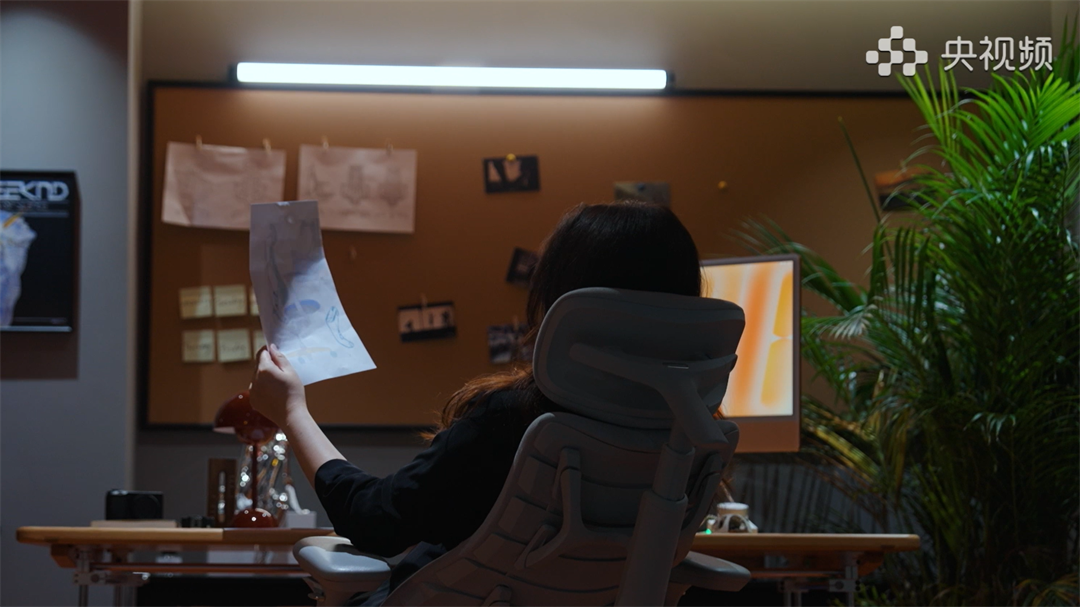
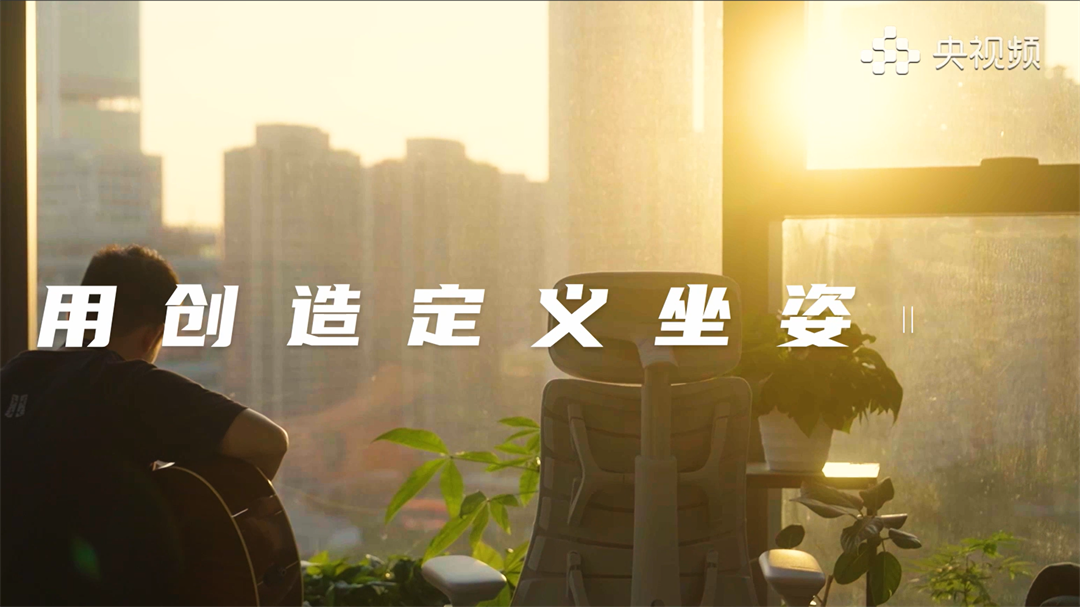
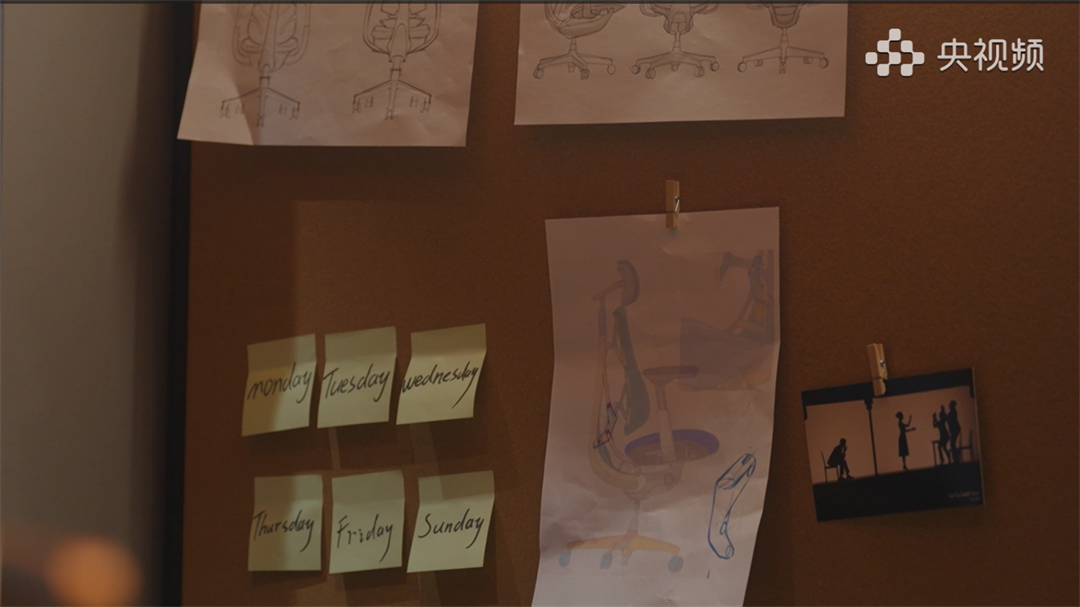
At a time when prolonged sitting has become a routine part of modern work, LiberNovo uses a range of technological innovations to help relieve sitting-related fatigue and reduce potential occupational health risks, demonstrating the human-centered value of design. The team believes that industrial design should always place the real user at its center, bringing functionality and humanistic care into harmony. Human needs should guide the direction of functional development, with every technological and structural innovation addressing essential concerns such as health during prolonged sitting, physical and mental comfort, and environmental responsibility. At the same time, meaningful humanistic care must be translated into tangible functionality. Through features such as the Holographic Follow-up System, personalized backrest adaptation, and multiple scenario-based reclining positions, the chair turns care for the human body, adaptability to different usage scenarios, and environmental responsibility into practical design solutions. Ultimately, the product aims to combine reliable ergonomic performance with a thoughtful and tangible commitment to people, health, and everyday life.
The ergonomic seating industry is currently highly competitive, with considerable product homogenization. How, then, did the LiberNovo team identify a distinctive design direction? The answer lies in returning to the original design intention: addressing the real challenges created by contemporary working postures rather than blindly following industry trends. Throughout the design process, the team has remained committed to the actual needs of people who sit for extended periods. They deliberately avoided the common pitfalls of excessive technological additions and overdesign. Every feature was developed around the product's defining characteristics, particularly dynamic support and coordinated interaction between components, rather than adding functions merely for promotional appeal. For example, instead of indiscriminately introducing additional features such as massage or heating functions that are unrelated to the product's core value, the team chose to concentrate on the central challenge of dynamic support, refining every detail that contributes to effective body support.
This discipline and focus have helped LiberNovo distinguish itself in a crowded ergonomic chair market, giving the product a clear and distinctive identity.
Future Outlook and Design Reflections: Continuous Evolution to Meet the Needs of the Times
Winning the Grand Award at the 2025 Better Design Award has further strengthened the LiberNovo team's determination to pursue continued research and innovation in ergonomic seating. Their first priority is to remain firmly committed to their two core areas of expertise: dynamic support and spinal protection. These technologies form the foundation of LiberNovo's technical capabilities and represent the central value of the product in addressing the challenges associated with prolonged sitting. Regardless of how the product range evolves, these two areas will remain the team's top research and development priorities. They will continue refining their core technologies and structural designs to deliver more precise support and more specialized spinal care. The team has also expanded its product portfolio, introducing the advanced LiberNovo Dynamic Human Factors Ergonomic Chair Pro and the entry-level S1 model to address the needs of different users and usage scenarios.
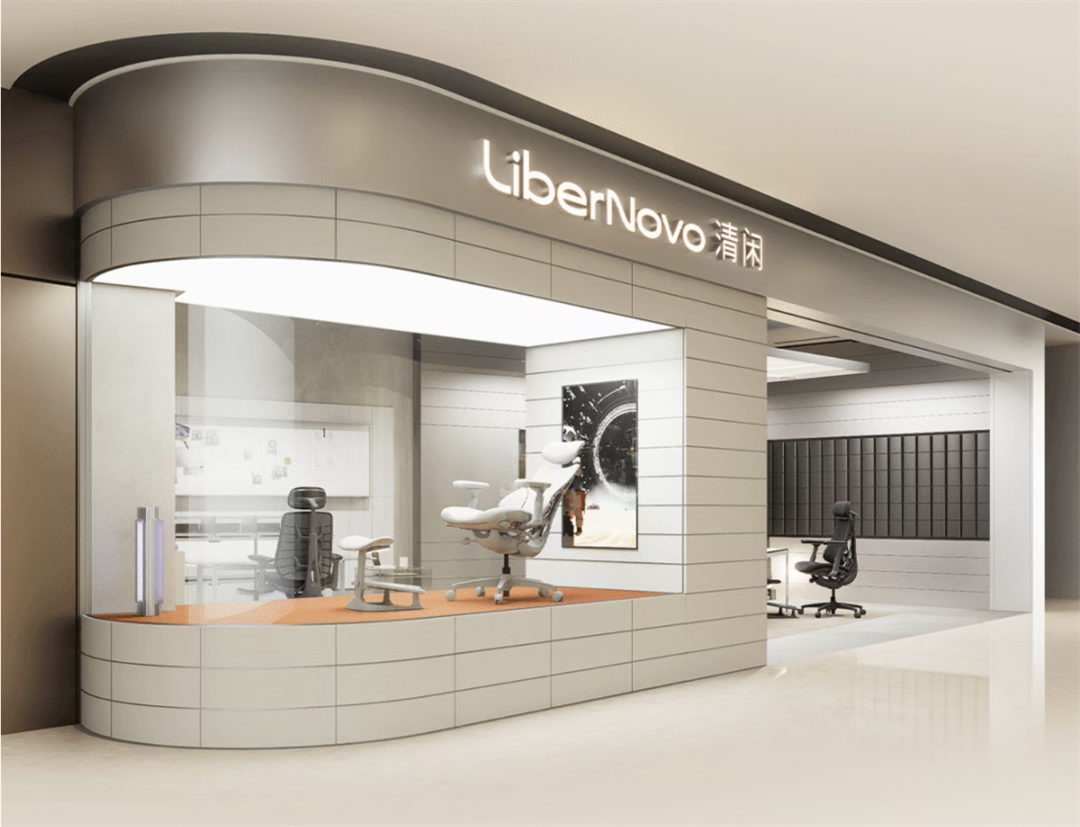
The team also plans to expand the chair's adaptability to cross-industry applications, including smart homes and shared workspaces. As the team observes, a chair is no longer merely a piece of furniture for sitting. It is becoming an essential piece of equipment that works in close coordination with productivity tools. From today's screen-based working environments to emerging technologies and interaction models involving virtual reality (VR), display glasses, and brain-computer interfaces, LiberNovo intends to keep pace with changes in productivity tools and workplace environments. It will continue strengthening the chair's integration and compatibility with smart home ecosystems, exploring new possibilities for the future of human-centered workspaces.
www.bdaward.com
The 2026 Better Design Award is now welcoming entries from around the world!
Designers, companies, institutions, and other eligible participants worldwide are invited to visit the official competition website:
www.bdaward.com
Register for an account and submit your entry by following the competition guidelines.
We look forward to discovering your outstanding designs!
-

2026 Better Design Award (BDA) Entry Guidelines
-

2026 Better Design Award Promotion Event Successfully Held in Shanghai
-

Southern Daily APEC Special Report: Connecting Creativity with Intelligent Manufacturing, Bringing Design to the World
-

2026 Better Design Award Beijing Promotional Event Successfully Held
Guided by:
China Media Group, the People's Government of Guangdong Province, the People's Government of Guangzhou Municipality, the People's Government of Shenzhen MunicipalityHosted by:
Organizing Committee of the Better Design AwardOrganized by:
Guangdong Better Design Innovation Center (Preparatory)Supporting Organizations:
Department of Education of Guangdong Province, Department of Science and Technology of Guangdong Province, Human Resources and Social Security Department of Guangdong Province, Guangdong Administration for Market Regulation, Guangdong Federation of Trade Unions, Guangdong Provincial Committee of the Communist Youth League, Guangdong Provincial Women's Federation, Guangzhou Baiyun District People's Government and other relevant organizations.Strategic Cooperation Partner:
Guangzhou Baiyun Jianke Holdings Group Co., Ltd.Partner Organizations:
Central Academy of Fine Arts, Sun Yat-sen University, South China University of Technology, Zhejiang University, Xi’ an Jiaotong University, Hunan University, Tongji University, Shenzhen University, Guangdong University of Technology, Guangzhou Academy of Fine Arts, Shenzhen Technology University, World Design Organization, World Green Design Organization, Hong Kong Design Centre, Hong Kong Federation of Design and Creative Industries, Hong Kong Designers Association, Macau Design Centre, Macau Product Design Association, and other relevant organizations
Official Instagram
All rights Reserved.粤ICP备24030925号