2026 Better Design Award Beijing Promotional Event Successfully Held
2026 Better Design Award Beijing Promotional Event Successfully Held
On November 7, the 2026 Better Design Award (BDA) Global Promotional Event was successfully held in Beijing. The event brought together more than 100 participants, including experts from academia, representatives of the intelligent manufacturing industry, and leaders of creative organizations. It aimed to promote the competition globally and facilitate discussions on the value of design and its industrial applications in the AI era. The event also showcased the latest trends and outstanding projects in the design industry, providing a platform for exchange and collaboration among design professionals.

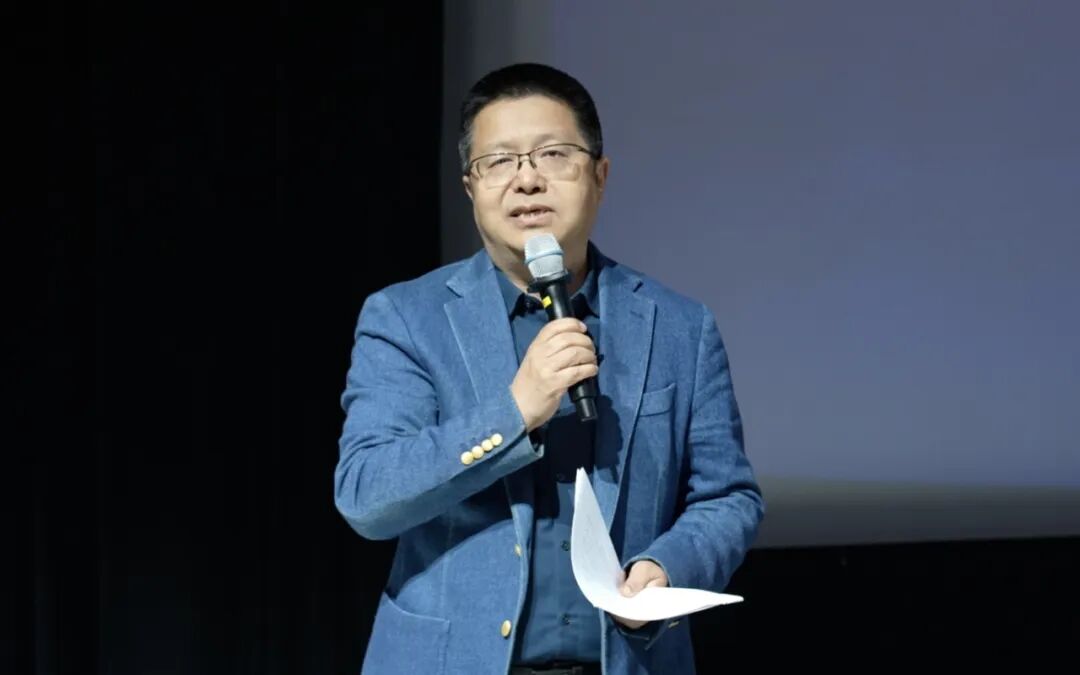
Wang Yudong, 2026 BDA Recommender, Director of the Office of the Organizing Committee of Beijing Design Week, and Deputy General Manager of Beijing Gehua Cultural Development Group Co., Ltd., delivered opening remarks. He noted that BDA is committed to discovering outstanding design, transforming great designs into successful products, and building strong brands through intelligent manufacturing, while establishing a high-level, integrated design platform that connects design and manufacturing on a global scale. As AI becomes increasingly embedded in creative processes, production, and organizational collaboration, the design industry is undergoing profound transformation. There is a growing need for competitions like BDA to bring together practitioners from different fields, facilitate experience sharing, address common challenges, and promote cross-disciplinary integration between design and industry. This will help translate emerging technological capabilities into tangible product value and market competitiveness.
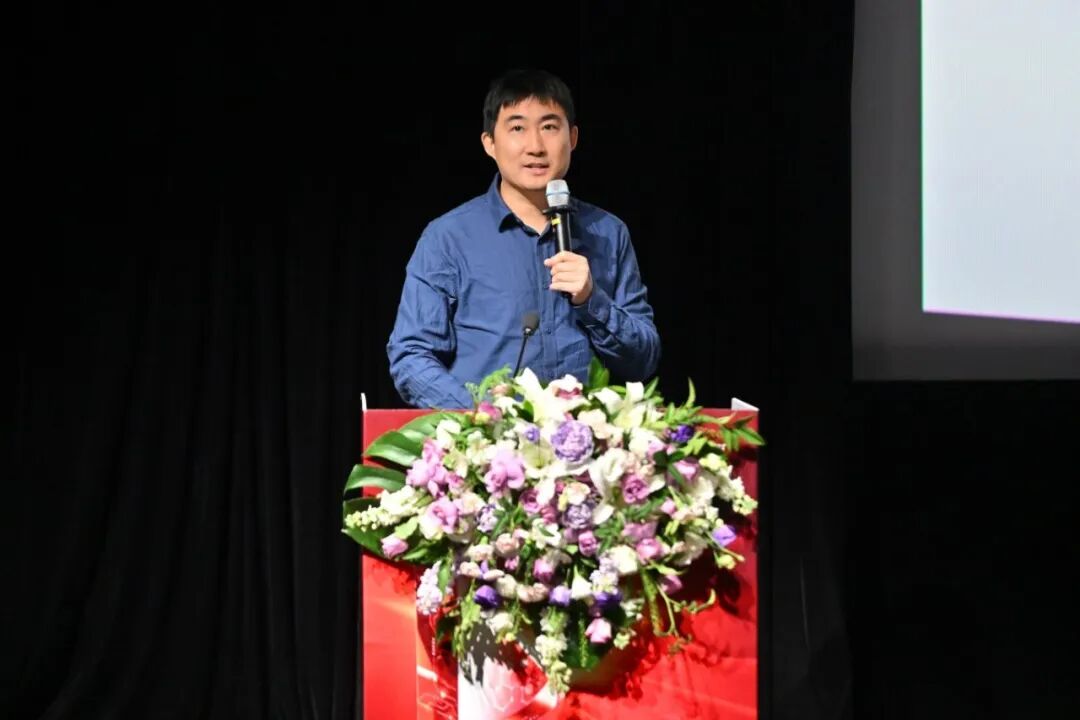
At the event, Wang Bosen, 2026 BDA Recommender and Director of the Industrial Design Department at the School of Art and Design, Beijing Forestry University, provided a comprehensive overview of the third edition of the competition. This year's competition features two major categories: Product Design and Design for Industry, with a total prize pool of RMB 4.1 million and 326 awards. The submission deadline is December 12, 2026. Designers, organizations, and businesses worldwide are welcome to submit their entries through the official competition website (www.bdaward.com). The Product Design category comprises three groups covering a wide range of fields. The Design for Industry category, a distinctive flagship track of the competition, focuses on systemic transformation across industrial value chains and invites comprehensive solutions covering the entire industrial chain.
Four industry guests delivered keynote presentations, sharing practical insights into how design can empower the real economy and integrate with AI from different perspectives.
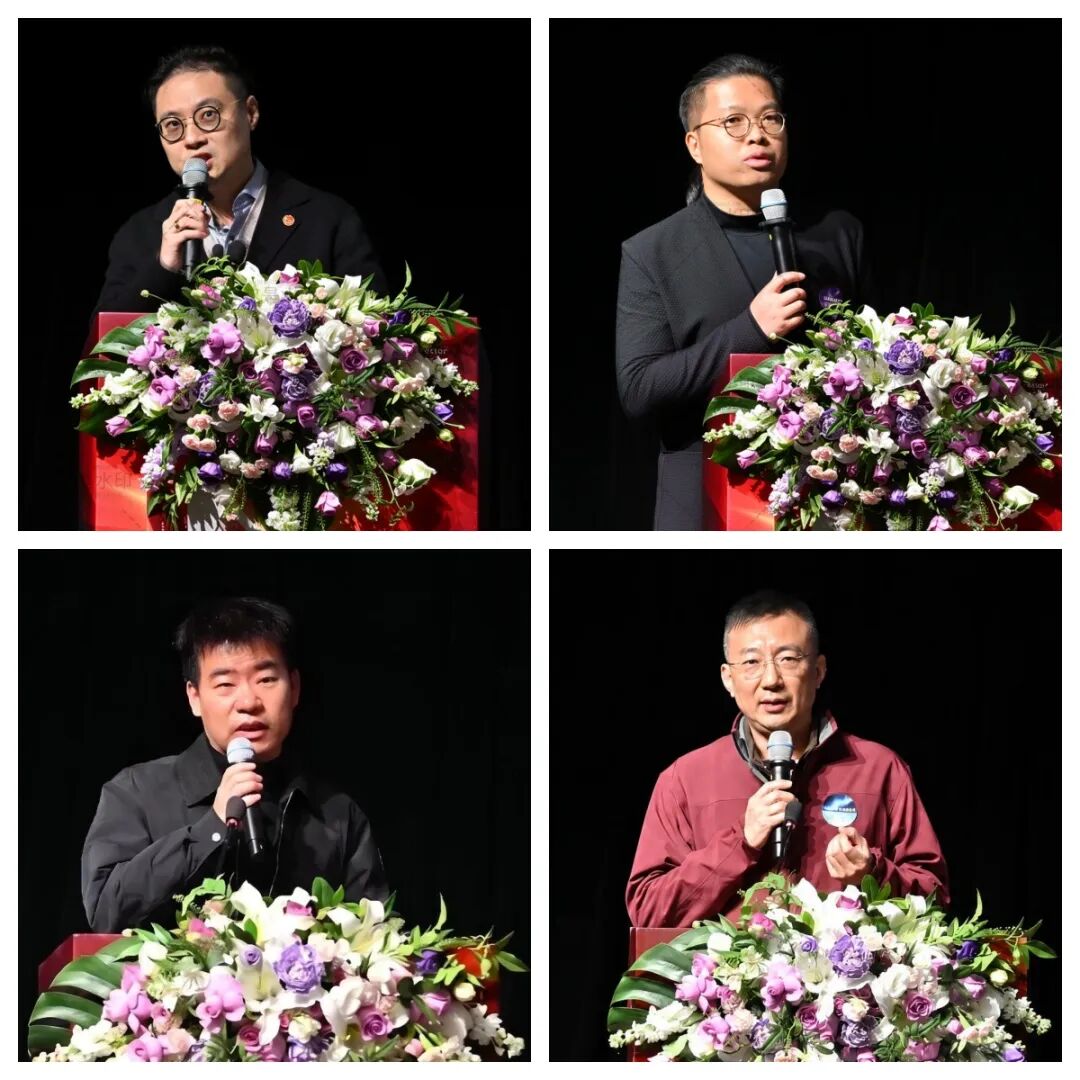
Yang Run, Chief Designer, Lenovo Group; Head of Design and Experience Management, Lenovo China
In the era of AI agents, industrial design is no longer limited to product appearance and interaction. Instead, it must move beyond product form to address hardware platforms, AI agent logic, and the rules governing human-AI collaboration. On the one hand, designers must ensure controllable interactions and intuitive feedback in physical products, reducing the costs of error correction when using AI agents. On the other hand, they must help define the relationships among people, devices, AI, and organizations, translating the responsibilities and permissions of AI agents into tangible hardware experiences. Designers are evolving from shaping physical products to defining standards for human-machine collaboration. This transformation positions physical hardware as the tangible foundation for deploying AI agents and enables a seamless, trustworthy experience through integrated hardware and software.
Zheng Yong, Partner and Chief Design Officer, Galbot
Humanity has continuously created tools to achieve greater freedom and overcome three fundamental limitations: physical vulnerability, the awakening of consciousness, and competition within groups. This evolution has progressed from overcoming physical limitations to achieving economies of scale and accessing information. Today, humanity is entering a fourth revolution: the liberation of intellectual capabilities. Embodied intelligence is an inevitable direction in this transformation, with embodied robots serving as the direct physical interface through which AI interacts with the complex real world. Galbot's independently developed AstraBrain is described as the world's first end-to-end embodied AI foundation model integrating brain, cerebellum, and neural control into a unified system. The company's self-developed robots have already been deployed in industrial, retail, cultural tourism, and other real-world scenarios, with a product portfolio including the S1, G1, and ET1. He emphasized that the industry should prioritize value before scale, focusing on creating tangible value in real-world scenarios. Design should be involved throughout the industrial development process, laying a solid foundation for the long-term growth of the embodied intelligence industry.
Zhao Ke, Chairman and Founder, ChinaVision Digital Culture Media Co., Ltd.
The industrialized approach to human-AI collaboration in film and television production can be extended to product and industrial design. Human creators should remain in control of overarching creative direction and aesthetic judgment, while AI takes on large-scale iteration, repetitive execution, and the accumulation of digital assets. In this context, the competitive edge of design is no longer defined by software proficiency, but by cultural identity and the ability to make informed creative judgments. Drawing on practices such as digital asset libraries, multi-agent task decomposition, and end-to-end quality control in the film industry, designers can establish digital asset libraries for product materials and components, enabling reuse across different projects. Digital creative assets can also be translated into physical hardware, bridging the gap between virtual concepts and tangible products. Designers are evolving from producing individual design solutions to establishing design rules and building product and IP ecosystems capable of long-term iteration. By drawing on local cultural identity, they can help products stand out from the growing homogeneity of AI-generated designs.
Han Xiao, Professor and Doctoral Supervisor, School of Animation, Beijing Film Academy
IP is a cultural asset that encompasses recognizable characters, a coherent worldview, emotional connections, and the potential for diversified commercial development. In the AI era, the value of IP is shifting from individual characters toward complete fictional worlds. Content creation is increasingly integrating cinematic visuals, interactive gaming experiences, and AI-powered companionship, marking a transition toward the creation of digital life forms. Creators must develop capabilities in storytelling, aesthetics, commercial operations, and AI applications. By drawing inspiration from local culture and creating vivid, engaging characters, they can establish meaningful emotional connections with audiences. This approach to IP development can also be integrated into physical product innovation, bringing digital worldviews and digital personalities into hardware products. By connecting physical products, digital characters, and cultural and creative derivatives, designers can drive product innovation through cultural identity and achieve deeper hardware-software integration.
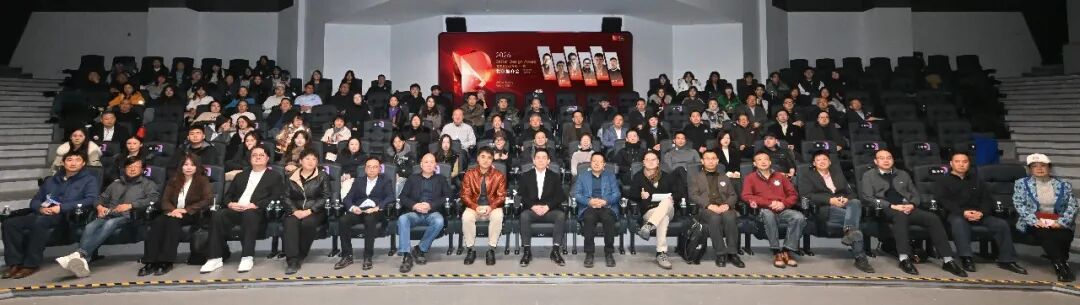
This Beijing promotional event represents an important milestone in BDA' s global outreach strategy. Leveraging Beijing's strengths as a national cultural center and a hub of scientific and technological innovation, the event further strengthens connections between global design resources and the industrial clusters of the Beijing-Tianjin-Hebei region.
The global call for entries for the third Better Design Award is now officially open. Outstanding enterprises and institutions, design organizations, universities, research teams, and individual designers from around the world are warmly invited to participate and compete for 326 awards, including the prestigious Better Design Grand Awards.
The 2026 Better Design Award Global Call for Entries Is Now Open!
Participants from around the world are invited to visit the official competition website:
www.bdaward.com
Register an account and complete the submission process in accordance with the competition guidelines.
We look forward to receiving your outstanding entries!
-
2026 Better Design Award (BDA) Entry Guidelines
-

2026 Better Design Award Promotion Event Successfully Held in Shanghai
-
Southern Daily APEC Special Report: Connecting Creativity with Intelligent Manufacturing, Bringing Design to the World
-

Moving with the User: How the LiberNovo Dynamic Ergonomic Chair Is Redefining the Sitting Experience
Guided by:
China Media Group, the People's Government of Guangdong Province, the People's Government of Guangzhou Municipality, the People's Government of Shenzhen MunicipalityHosted by:
Organizing Committee of the Better Design AwardOrganized by:
Guangdong Better Design Innovation Center (Preparatory)Supporting Organizations:
Department of Education of Guangdong Province, Department of Science and Technology of Guangdong Province, Human Resources and Social Security Department of Guangdong Province, Guangdong Administration for Market Regulation, Guangdong Federation of Trade Unions, Guangdong Provincial Committee of the Communist Youth League, Guangdong Provincial Women's Federation, Guangzhou Baiyun District People's Government and other relevant organizations.Strategic Cooperation Partner:
Guangzhou Baiyun Jianke Holdings Group Co., Ltd.Partner Organizations:
Central Academy of Fine Arts, Sun Yat-sen University, South China University of Technology, Zhejiang University, Xi’ an Jiaotong University, Hunan University, Tongji University, Shenzhen University, Guangdong University of Technology, Guangzhou Academy of Fine Arts, Shenzhen Technology University, World Design Organization, World Green Design Organization, Hong Kong Design Centre, Hong Kong Federation of Design and Creative Industries, Hong Kong Designers Association, Macau Design Centre, Macau Product Design Association, and other relevant organizations
Official Instagram
All rights Reserved.粤ICP备24030925号